Liaozhai Zhiyi
Introduction
Liaozhai Zhiyi, also known as Strange Tales from a Chinese Studio, is a renowned collection of nearly 500 short stories written by Qing Dynasty (1644–1911) author Pu Songling. First published in the early 18th century, the anthology is celebrated for its imaginative tales that blend supernatural elements with human emotions and moral reflections. The stories feature a variety of characters, including ghosts, fox spirits, immortals, and demons, often engaging in interactions with humans. Despite their fantastical nature, these tales delve deeply into themes of love, greed, loyalty, and the human condition, making them a timeless literary masterpiece.
Background
Pu Songling (1640–1715), the author of Liaozhai Zhiyi, was born in Zibo, Shandong province, during the Qing Dynasty. A scholar by training, Pu struggled to achieve success in the imperial civil service examinations, which were a primary avenue for career advancement in his time. This frustration with the rigid social and political systems of his era is reflected in his writing, where he often critiques societal norms and highlights the struggles of ordinary people.
Liaozhai Zhiyi was written over several decades and completed in Pu's later years. The title "Liaozhai" refers to Pu's studio, where he composed these tales, while "Zhiyi" translates to "records of the strange." The collection draws inspiration from zhiguai, a traditional Chinese literary genre that focuses on supernatural and extraordinary occurrences. Pu's work, however, is distinguished by its literary sophistication, wit, and moral depth.
The stories in Liaozhai Zhiyi were initially circulated in manuscript form and gained popularity among readers before being formally published. Over the centuries, the collection has been translated into numerous languages and remains a cornerstone of classical Chinese literature.
Structure and Content
Liaozhai Zhiyi comprises 491 short stories, each varying in length and complexity. The tales are written in classical Chinese and are often accompanied by Pu Songling's own commentary, which provides additional insights or moral reflections.
Themes and Motifs
The stories in Liaozhai Zhiyi explore a wide range of themes, including:
-
Love and Relationships: Many tales revolve around romantic relationships, often between humans and supernatural beings such as ghosts or fox spirits. These stories highlight the transformative power of love and its ability to transcend societal and physical boundaries.
-
Moral Lessons: The collection frequently conveys moral teachings, such as the dangers of greed, the value of honesty, and the importance of kindness. These lessons are often embedded in the actions and fates of the characters.
-
Critique of Society: Pu Songling uses his stories to critique the social and political systems of his time, addressing issues such as corruption, inequality, and the rigidity of the imperial examination system.
-
Human Nature: The tales delve into the complexities of human emotions and behavior, exploring themes such as ambition, jealousy, loyalty, and redemption.
-
Supernatural and the Unknown: The stories are rich with elements of the supernatural, including ghosts, spirits, and magical transformations. These elements are used to explore philosophical and existential questions.
Narrative Style
Pu Songling's narrative style is characterized by its elegance, wit, and subtlety. He employs a blend of realism and fantasy, creating a world where the supernatural is seamlessly integrated into everyday life. The stories are often narrated in a straightforward manner, with the extraordinary events presented as natural occurrences.
Pu's use of classical Chinese language adds a layer of sophistication to the tales, while his commentary provides a personal touch, allowing readers to glimpse the author's thoughts and intentions. The stories are also notable for their vivid characterizations and imaginative plots, which have captivated readers for centuries.
Key Stories
Some of the most famous stories in Liaozhai Zhiyi include:
-
Painted Skin: This tale explores themes of deception and loyalty through the story of a monstrous creature that disguises itself as a beautiful woman by wearing human skin.
-
Nie Xiaoqian: A poignant love story between a kindhearted scholar and a ghost, this tale celebrates the triumph of true love over evil.
-
The Taoist of Laoshan: This humorous story follows a man's journey to learn magic from a Taoist priest, only to discover the limitations of his newfound abilities.
-
Miss Lu: A tale of undying devotion, this story recounts a scholar's efforts to help a ghostly beauty achieve a favorable reincarnation.
-
Princess Lotus: A lighthearted adventure in a bee kingdom, this story features themes of friendship and courage.
Reception and Legacy
Influence on Literature
Liaozhai Zhiyi has had a profound impact on Chinese literature and culture. Its blend of supernatural elements with moral and philosophical reflections has inspired countless writers and artists. The collection is considered a masterpiece of classical Chinese fiction and has been studied extensively by scholars.
The tales have also influenced other literary works, both in China and abroad. They have been adapted into various forms, including novels, plays, and poems, and have inspired writers in other countries to explore similar themes and narrative styles.
Adaptations in Other Media
The stories of Liaozhai Zhiyi have been adapted into numerous films, television series, and stage productions. Notable adaptations include:
-
Film and Television: The 1987 film A Chinese Ghost Story, based on the tale Nie Xiaoqian, is one of the most famous adaptations. Other notable films include Painted Skin and its sequels.
-
Theater: The stories have been adapted into traditional Chinese operas, such as Kunqu and Peking Opera, as well as modern theatrical productions.
-
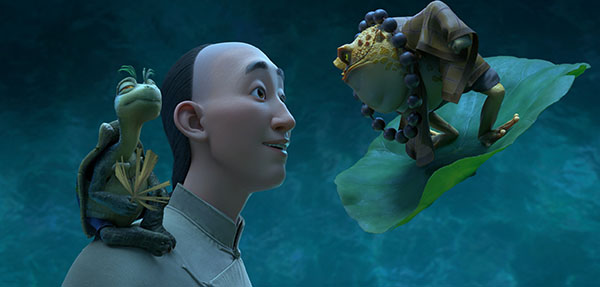
Animation: The 2023 animated film Curious Tales of a Temple adapts five stories from Liaozhai Zhiyi, blending traditional Chinese culture with modern animation techniques.
-
Music: The tales have inspired musical compositions, including the Liaozhai liqu, a form of folk music that combines storytelling with theatrical performance.
-
Digital Media: The stories have been featured in online programs and digital platforms, introducing them to new audiences and preserving their cultural significance.
Liaozhai Zhiyi continues to captivate readers and audiences worldwide, serving as a testament to Pu Songling's literary genius and the enduring appeal of his tales. Through its rich storytelling and profound insights, the collection remains a vital part of China's cultural heritage.








